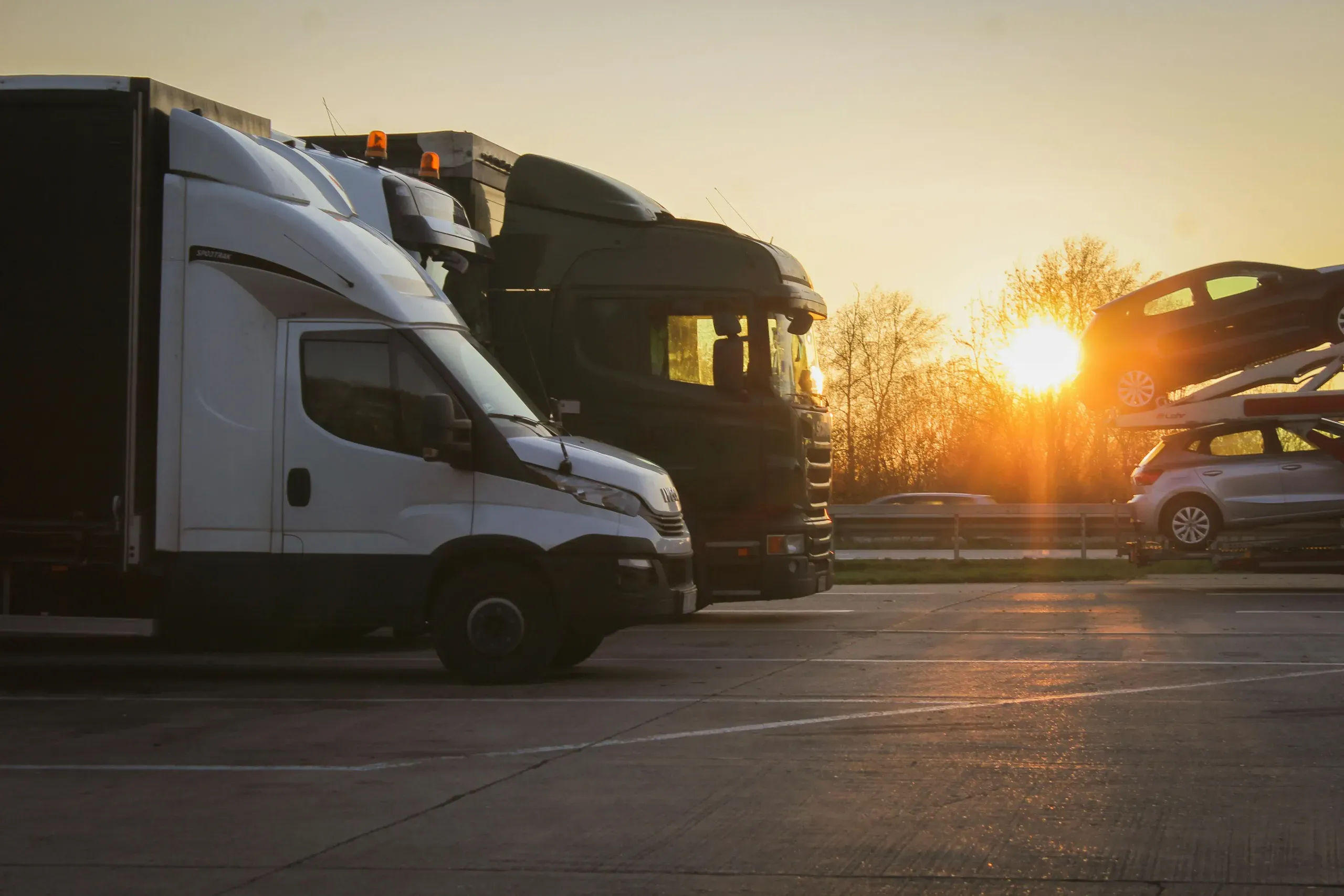
Ship Car from California to Iowa
Shipping a vehicle from California to Iowa covers approximately 1,849 miles, with a typical transit time of five to seven days once your car is on the road. Navigating this cross-country route involves standard interstate travel along I-80 and I-70, requiring a coordinated approach to logistics and carrier selection. Whether you are relocating for work, purchasing a vehicle online, or managing a move for a family member, this guide covers everything you need to know, including how to verify a carrier, prepare your vehicle, manage transit expectations, and streamline the booking process.
- No-obligation quote within 2 minutes
- Price all-inclusive
- No charge until driver confirmed
- Distance
- 1,849 mi
- Transit time
- 5–7 days
- Open carrier from
- $1,025
How much does it cost to ship a car from California to Iowa?
For a shipment from California to Iowa, you can expect open transport to cost between $1,025 and $1,375, with enclosed options ranging from $1,675 to $2,250. Because Ship Car Pros acts as a referral service, we connect you with independent carriers who set their rates based on current market demand across the 1,849-mile route. There are seven primary factors that determine where your final price lands, including your specific pickup and delivery cities, the size and weight of your vehicle, and your preferred pickup window. While these ranges provide a baseline for your budget, your final quote is determined by real-time carrier availability along the I-80 corridor. Understanding these variables helps you secure the most efficient rate for your move.
What factors affect car shipping cost?
Several variables influence the final rate for your shipment between California and Iowa. While distance is constant, these specific factors determine where your quote falls within the typical range:
- Vehicle dimensions and weight: Larger trucks and SUVs require more trailer space and increase fuel consumption.
- Transport type: Choosing enclosed transport provides premium protection at a higher price point than standard open trailers.
- Pickup and delivery flexibility: Giving carriers a wider 4-to-7-day window allows them to optimize routes, often lowering your cost.
- Seasonal demand: High-traffic periods like summer and snowbird season increase competition for limited carrier capacity.
- Route accessibility: Shipping to or from remote, rural areas off the main interstate corridors adds time and fuel costs.
- Vehicle operability: Non-running vehicles require specialized winching equipment, which increases the complexity and cost of the loading process.
Open vs. enclosed car transport: which should you choose?
Choosing between open and enclosed transport comes down to your vehicle’s value and your specific protection needs. Open transport is the industry standard, used for about 85% of all shipments. It is the same method dealers use to transport new cars from factories to showrooms. With a typical cost around $1,147, it is the most efficient choice for daily drivers, standard SUVs, and commuter vehicles.
Enclosed transport provides a fully sealed environment, shielding your vehicle from road debris, dust, and weather. This service typically runs around $1,868. It is the right choice if you are shipping a high-value exotic, a classic car that must arrive in pristine condition, or a vehicle with very low ground clearance that might struggle with standard loading ramps. If your car is a standard daily driver, open transport offers the best balance of safety and value.
- Open carrier
- $1,025–$1,375
- Standard 7–10 car hauler.
- Enclosed carrier
- $1,675–$2,250
- Sealed trailer for high-value vehicles.
How long does it take to ship a car from California to Iowa?
Transit time for the 1,849-mile journey from California to Iowa typically spans five to seven days. While this might seem like a long time, remember that drivers must balance their daily mileage with mandatory rest periods, fueling stops, and the time required to load and unload other vehicles along their route. Because they are not driving non-stop like you would in a personal car, they generally cover a few hundred miles each day. Keep in mind that unforeseen events like severe weather or heavy traffic can shift your delivery window. We will discuss how to track your vehicle's progress and manage these timing expectations in more detail below.
Which routes do carriers usually take?
Carriers moving vehicles from California toward Iowa generally follow a well-traversed path optimized for heavy freight. Most shipments depart from major California hubs like Los Angeles or the Bay Area, utilizing I-80 E as a primary corridor through the Sierra Nevada and across the Great Plains. Depending on the specific destination within Iowa, some drivers may transition to I-70 E to navigate through the central states. This route is highly efficient, though drivers must carefully manage elevation changes and seasonal weather risks, particularly when crossing mountain passes or navigating high-wind zones. Because this is a major cross-country artery, carriers can reliably maintain steady progress across the diverse terrain.
What can delay your shipment?
Even with a well-planned route, several factors can shift your delivery timeline. Winter weather is the most significant variable; carriers traversing the Sierra Nevada on I-80 often face mandatory chain controls or temporary highway closures during severe storms. Similarly, Midwest blizzards and high winds can stall progress across the plains, sometimes forcing the Iowa DOT to temporarily close major interstates. Beyond weather, pickup timing can be affected by the need for auction documentation, such as gate pins or lot numbers, which must be finalized before a driver can load. Finally, weekend pickup windows are often less reliable, as carrier activity naturally slows, frequently pushing Friday bookings to the following week.
Popular Routes
Major city-to-city routes on the California → Iowa corridor.
| From | To | Approx. distance | Transit |
|---|---|---|---|
| Los Angeles, CA | Des Moines, IA | ~1,440 mi | 4-6 days |
| San Francisco, CA | Davenport, IA | ~1,700 mi | 5-7 days |
| San Diego, CA | Cedar Rapids, IA | ~1,520 mi | 5-7 days |
| Riverside, CA | Iowa City, IA | ~1,500 mi | 5-7 days |
| Sacramento, CA | Waterloo, IA | ~1,550 mi | 5-7 days |
| San Jose, CA | Sioux City, IA | ~1,390 mi | 4-6 days |
| Fresno, CA | University Heights, IA | ~1,540 mi | 5-7 days |
| Mission Viejo, CA | West Des Moines, IA | ~1,410 mi | 4-6 days |
| Bakersfield, CA | Dubuque, IA | ~1,590 mi | 5-7 days |
| Concord, CA | Ankeny, IA | ~1,520 mi | 5-7 days |
How does shipping a car from California to Iowa work?
Shipping your vehicle from California to Iowa follows a straightforward three-stage process: getting a quote, coordinating the pickup, and managing the final delivery. First, we provide an all-inclusive estimate based on your specific vehicle and route. Once you confirm, we connect you with a vetted carrier from our network to handle the transport. Finally, the driver retrieves your car, transports it across the I-80 or I-70 corridor, and delivers it directly to your destination. We act as your point of contact throughout each stage to ensure everything stays on track.
What happens between booking and pickup?
Once you finalize your booking, the focus shifts to securing your carrier and preparing for the driver’s arrival. Follow these steps to move from confirmation to pickup:
- Market Posting: We post your shipment to our private network, where vetted carriers review the route and load requirements.
- Carrier Dispatch: An available carrier accepts your load, and we officially dispatch them to your pickup location.
- Driver Notification: We send you the carrier's information, including driver contact details and a preliminary ETA for your vehicle.
- Window Confirmation: The driver contacts you directly to coordinate a specific 1-to-3-day pickup window that works for your schedule.
- On-Site Inspection: Upon arrival, the driver performs a thorough bumper-to-bumper inspection, documenting your vehicle’s current condition on the bill of lading before loading it onto the trailer.
This phase is about communication; staying reachable at the contact numbers provided ensures the driver can navigate to your pickup point without delay.
What is a bill of lading (BOL)?
The bill of lading (BOL) is both a contract for transport and a formal condition report for your vehicle. At pickup, the driver performs a detailed, roughly 21-point inspection to document the car's current state, including any existing scratches or dents. You and the driver both sign this document before the vehicle is loaded.
When your car reaches Iowa, the driver performs the same inspection again. This is the most critical moment in the process. Inspect the vehicle thoroughly in good, natural light before you sign the second time. Comparing the two reports side-by-side ensures that any new damage is identified and documented for insurance purposes.
After delivery: registration and inspection in Iowa
Once your vehicle arrives in Iowa, you have 30 days to title and register it at your local County Treasurer’s office. You must appear in person to surrender your original out-of-state title. If a lender holds your title, you will need your current registration and their cooperation to transfer it. Bring your completed Form 411007, proof of identity, and any necessary odometer or damage disclosure forms. While Iowa does not mandate safety or emissions inspections, you will need to pay an annual registration fee and, if you purchased the vehicle out-of-state, a one-time 5% road use tax. For detailed forms and appointment scheduling, visit the official Iowa DOT website.
Before finalizing everything, remember that California does not automatically know you have moved. While you don't need to surrender your California plates, you should notify the California DMV of your change of address to avoid future billing notices. Keep your California insurance active until your Iowa policy is officially in effect.
How do you verify a car transport company is legitimate?
You can verify the legitimacy of any car transport provider by checking their federal credentials. Every legitimate carrier or broker must have a Motor Carrier (MC) number and a Department of Transportation (DOT) number registered with the Federal Motor Carrier Safety Administration (FMCSA). You can look these up on the official FMCSA website using the company name or their ID numbers. This database confirms whether they are properly licensed to operate and, crucially, whether their insurance is active and meets federal requirements.
Beyond registration, pay attention to the financial process. A reputable company will never charge your credit card before a carrier is officially assigned to your vehicle. If a provider asks for full payment or a significant, non-refundable deposit upfront, treat that as a red flag. Legitimate businesses typically charge a service fee only after a driver has been confirmed and dispatched.
Finally, look for a written agreement. Any professional service will provide a contract detailing the pickup and delivery terms, insurance coverage, and total price before any work begins. For added peace of mind, cross-reference the company’s reputation using independent third-party sources like the Better Business Bureau or Transport Reviews. These platforms provide unfiltered feedback from actual customers, helping you distinguish established, reliable providers from high-pressure sales operations.
How do I prepare my car for shipping?
Preparing your vehicle for transport helps ensure a smooth inspection process and keeps your car safe throughout the 1,849-mile journey. Following these simple steps allows the driver to perform an accurate condition report and keeps the vehicle within weight regulations:
- Wash the exterior: Cleaning your car makes it easy to spot and document existing scratches or dents during the initial inspection.
- Photograph the vehicle: Take dated, high-resolution photos of all sides, including the roof and undercarriage, to serve as your personal record.
- Remove personal items: Clear out all loose belongings, toll tags, and parking permits, keeping only 100 pounds of items allowed by insurance.
- Limit fuel: Keep your gas tank at approximately one-quarter full to reduce weight while ensuring the driver can maneuver the car on and off the trailer.
- Disable alarms: Turn off any security systems or provide the driver with specific instructions to prevent the alarm from triggering during transit.
- Note mechanical quirks: Write down any unique starting procedures or known leaks so the driver is fully informed.
A little preparation goes a long way in protecting your vehicle and helping your driver stay on schedule.
Specialty shipments from California to Iowa
Some shipments involve extra logistical steps beyond standard door-to-door transport. Whether you are managing inventory from an auction house, moving a vehicle that no longer runs, or coordinating the simultaneous relocation of multiple family cars, these specialized scenarios require additional documentation and equipment. Below, we outline exactly how to handle auction-specific requirements, the technical needs for transporting inoperable vehicles, and the process for bundling multiple loads to maximize efficiency for your California-to-Iowa move.
How do you ship a car bought at Copart or IAA auction?
Shipping vehicles purchased through auction sites like Copart or IAA requires extra coordination because these facilities operate under strict security protocols. To authorize a carrier for pickup, you must provide three specific pieces of information: the vehicle’s lot number, the gate pin for the facility, and your buyer number. Additionally, the auction house must have full payment confirmation on file before they will release the vehicle.
Expect the pickup process to take 1–3 days longer than a typical residential shipment. Drivers often face long wait times at auction lots, and many facilities require appointments that must be synced perfectly with the carrier’s route. If you are acting as a middleman for a buyer, ensure all these details are ready before booking. Missing documentation is the most common reason for delays, as carriers cannot load the vehicle without verified access to the auction lot.
How do you ship an inoperable car?
Shipping an inoperable vehicle requires more than a standard trailer. Because the car cannot drive onto the ramp under its own power, the carrier must use a winch to pull it securely onto the trailer bed. For this to work, your vehicle must still roll, steer, and have functioning brakes so the driver can guide it safely during the loading and unloading process. Because this requires specialized equipment and extra time for the driver, it adds a surcharge to your standard shipping rate. Always disclose that the vehicle is inoperable when you request your quote so we can dispatch the right equipment for the job.
How do you ship multiple cars at once?
If you are moving a household, managing a small fleet, or relocating multiple vehicles, bundling them onto a single shipment is often the most efficient strategy. When you ship two or more cars along the same route, you generally qualify for a per-vehicle discount, lowering the total cost compared to shipping each car separately. Because carriers have limited trailer space, filling that capacity with your vehicles gives you increased leverage with dispatchers. While most multi-vehicle loads stay together on one truck, occasionally, a large order may be split between carriers to meet a tighter timeline. We coordinate these logistics to ensure your vehicles arrive together, simplifying your move.
Is it cheaper to ship a car or drive it from California to Iowa?
Deciding whether to ship your vehicle or drive it yourself often comes down to balancing out-of-pocket costs against your time and personal comfort. Shipping your vehicle via an open trailer typically costs around $1,147 for this 1,849-mile journey.
In contrast, driving the route yourself involves significant hidden expenses. Using a standard per-mile cost of $0.70-which accounts for fuel, depreciation, and maintenance based on 2024 data-the mileage expense alone reaches approximately $1,294. When you factor in essential costs like two nights of lodging at an estimated $120 per night, your total self-drive cost climbs to about $1,534.
Beyond these figures, consider the logistical reality of the trip. The drive covers 1,849 miles and takes over 27 hours of non-stop time. In practice, this means several days on the road, which likely requires taking time off work and dealing with the physical fatigue of long-haul travel. While driving allows you to keep your vehicle with you at all times, shipping allows you to bypass the wear and tear on your car and the personal toll of a multi-day trip across the plains. Whether the convenience of flying to your destination makes the higher cost of shipping worth it is a personal choice, but the math shows that professional transport is often the more economical option.
| Ship it | Drive it | |
|---|---|---|
| Total cost | $1,025–$1,375 all-in | ~$1,775 (fuel + lodging + meals) |
| Your time | 0 hours | ~31 hrs driving + overnight |
| Wear & tear | None | 1,849 mi added; ~$0.10/mi depreciation |
| Risk | Insured in transit | Personal liability + fatigue |
For most California → Iowa shipments, ship is the better value once time and depreciation are counted.
Frequently asked questions
How much does it cost to ship a car from California to Iowa?
Shipping a car from California to Iowa typically costs between $1,025 and $1,375 for open transport, while enclosed transport usually ranges from $1,675 to $2,250. These figures are estimates, as final rates depend on vehicle size, route popularity, and real-time carrier availability. Because market conditions fluctuate, the total price is determined by the carrier assigned to your specific shipment, ensuring the most accurate rate for your 1,849-mile journey.
How long does it typically take for a car to be transported from California to Iowa?
The transit time for shipping a vehicle from California to Iowa typically takes five to seven days once it is loaded onto the carrier. While the non-stop drive time is about 27 hours, transport trucks must adhere to federal hours-of-service regulations, which limit daily mileage. Factors such as weather, traffic, and the driver's schedule along the I-80 or I-70 corridors can influence the exact arrival date, but most shipments fall within this one-week window.
What is the primary difference between open and enclosed transport for my vehicle?
The primary difference between these methods is the level of protection your vehicle receives during transit. Open transport is the industry standard, where your car is exposed to the elements on a multi-vehicle trailer, making it the most affordable option. Enclosed transport uses a fully sealed trailer to protect your vehicle from road debris, dust, and weather. Enclosed shipping is typically reserved for high-value, luxury, or classic cars and costs significantly more than standard open transport.
When do I pay for my auto transport service?
You pay for your transport service in two distinct stages. A deposit is charged to your credit card only after a carrier has been officially assigned and dispatched to pick up your vehicle. The remaining balance is paid directly to the driver at the time of delivery. This balance is typically settled using cash, certified check, money order, Zelle, or Venmo, depending on the specific payment methods accepted by your assigned carrier.
Is my vehicle fully insured while it is being transported to Iowa?
Yes, your vehicle is fully insured during transit under the carrier's cargo insurance policy. Federal regulations require all licensed carriers to carry cargo insurance, which covers your vehicle from bumper to bumper during the journey. This coverage is included in your transport quote at no extra cost. When comparing carriers, you can verify their insurance status and coverage limits by checking their registration details on the Federal Motor Carrier Safety Administration website.
Do I need to be present at my home for the car to be picked up or delivered?
You do not need to be personally present for the pickup or delivery of your vehicle. You can authorize a family member, neighbor, or a representative from a dealership or auction facility to act on your behalf. As long as the authorized contact has the keys and is prepared to sign the bill of lading, the driver can complete the inspection and transport process without the vehicle owner being physically on-site.
What happens if I book with multiple brokers at the same time?
Booking with multiple brokers at the same time is counterproductive because it can trigger a bidding war that drives up the price you pay. When multiple companies post the same vehicle on the national loading board, carriers see redundant listings and may prioritize those with higher price tags. This often leads to your shipment sitting unclaimed as you effectively bid against yourself, causing unnecessary delays and potentially forcing you to increase your budget to attract a driver.
What should I look for when signing the bill of lading at delivery?
At delivery, you should perform a thorough, side-by-side inspection of your vehicle by comparing it to the original report created at pickup. Inspect the exterior in good, natural light to ensure no new scratches, dents, or damage occurred during transit. If you notice any discrepancies between the two documents, document them immediately on the bill of lading before signing, as this official record is the primary evidence used to process any potential insurance claims.